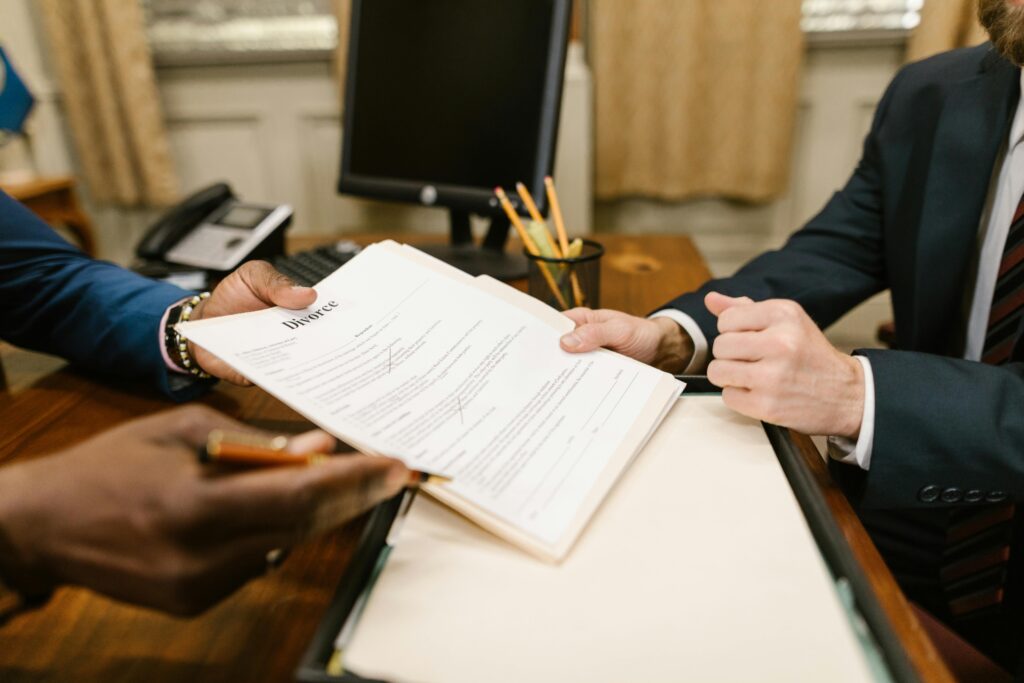
Understanding Divorce: The Basics
Divorce is a legal process that terminates the marriage between two individuals. It encompasses various implications, including emotional, financial, and social factors, which can heavily affect the lives of the involved parties and their families. Legally, divorce signifies the dissolution of a marital contract, allowing each party to reclaim their independent status. Understanding the underlying aspects of divorce is crucial for those embarking on this journey.
There are several types of divorce proceedings, primarily categorized into contested, uncontested, and mediated divorces. A contested divorce arises when one or both spouses do not agree on significant issues such as asset division, child custody, or financial support. Conversely, an uncontested divorce occurs when both spouses reach mutual agreement on all pertinent matters without the need for court intervention. This type is often less time-consuming and less emotionally taxing, making it a preferred option for many coudivorce lawyerples.
Mediated divorce is another approach where couples engage a neutral third party, known as a mediator, to facilitate discussions and negotiations. This method aims to foster collaboration and often leads to more amicable resolutions. Each type of divorce can significantly impact how couples proceed, emotionally and legally, throughout the entire process.
The divorce process typically begins with the filing of a divorce petition, followed by exchanges of relevant information, negotiations, and, if necessary, court hearings. It is essential for individuals to be well-informed about the various stages involved and the potential outcomes of their decisions. Engaging a qualified lawyer can provide significant guidance throughout this complex journey, ensuring that both legal rights and emotional well-being are prioritized during this challenging time.
The Role of a Divorce Lawyer
Divorce is a significant and often challenging transition in the lives of married couples, marking the end of a partnership that may have lasted years. During this emotionally taxing time, a divorce lawyer plays an essential role in guiding individuals through the complexities of the legal process.
One of the primary responsibilities of a divorce lawyer is to offer legal advice tailored to the specific circumstances of each client. This includes explaining the various aspects of divorce law, such as asset division, spousal support, and child custody arrangements. Understanding these legalities is crucial for clients, as it enables them to make informed decisions about their future and to set realistic expectations throughout the divorce process.
Moreover, divorce lawyers serve as advocates for their clients, representing them in court if necessary. This representation is vital, especially in contentious cases where negotiations may become difficult. A skilled divorce attorney will ensure that their client’s interests are protected, whether through mediation or litigation. They utilize their expertise to navigate the court’s procedures, advocating for fair settlements and outcomes that align with the client’s best interests.
Additionally, divorce lawyers help clients understand their rights and obligations regarding financial responsibilities and parental duties. By clarifying these issues, they can mitigate misunderstandings that might lead to further disputes. Importantly, a divorce lawyer provides emotional support, acting as a buffer during negotiations and ensuring that clients feel heard and understood amidst the stress of divorce.
In essence, the role of a divorce lawyer extends beyond merely handling legal paperwork; they are integral to achieving a fair resolution during one of life’s most challenging events, ensuring clients can enter the next chapter of their lives with confidence and clarity.
Reasons Couples Seek Divorce
Divorce is a significant life event that couples may face for various reasons. One of the most prevalent causes is communication problems. Effective communication is a cornerstone of any healthy relationship; when partners struggle to express their needs or address grievances, misunderstandings can escalate. This often leads to diminished emotional connection and increased frustrations, prompting individuals to seek legal assistance to navigate their separation.
Another common reason for divorce involves infidelity. When a partner engages in an extramarital affair, it can breach the foundational trust of the relationship. The emotional turmoil that follows may lead one or both partners to consider divorce as a way to move on and heal. Legal intervention becomes necessary not only to address the dissolution of the marriage but also to handle the subsequent discussions regarding asset division and child custody.
Financial issues also play a critical role in the decision to divorce. Financial strain can create significant stress, resulting in conflicts over budgeting, spending habits, and financial priorities. If couples are unable to reach a consensus on these matters, they may find it easier to separate legally rather than continue in a tumultuous environment. A lawyer can assist in clarifying financial obligations and protecting each party’s interests during the divorce process.
Additionally, irreconcilable differences are frequently cited as a reason for divorce. This term encompasses a broad range of issues that have become insurmountable, including differing life goals, values, or lifestyles. When couples recognize that they are moving in fundamentally different directions, they may opt to end the marriage amicably. A legal representative can facilitate this process by ensuring that both parties’ rights are upheld while they navigate their separation.
The Initial Steps After Deciding to Divorce
Deciding to pursue a divorce can be one of the most challenging decisions in a person’s life. Once the decision is made, taking a structured approach can help ease the transition. The first step is to consult with a lawyer who specializes in family law. A qualified attorney can provide essential insights into the legal process, rights, and obligations that arise during a divorce. During your consultation, it is important to discuss your specific circumstances, including any issues regarding child custody, property division, and living arrangements.
In addition to legal advice, gathering necessary documentation is crucial. Important documents often include marriage certificates, financial statements, property deeds, and any records related to children, such as birth certificates. Compiling this information not only aids your lawyer but also gives you a clearer understanding of your financial situation and assets. Being well-prepared can significantly enhance the efficiency of the divorce process.
Moreover, emotional readiness is an essential factor when navigating divorce. The process can be emotionally taxing, and recognizing one’s mental health is vital. Seeking support from friends, family, or a therapist can provide valuable assistance during this tumultuous time. Discussing your feelings and concerns in a safe, supportive environment can help you process the changes ahead. Taking time for self-care and reflection is also advisable as it can foster resilience and clarity in the face of impending changes.
By consulting a lawyer, gathering necessary documents, and addressing emotional readiness, individuals can begin to navigate the complexities of divorce in a more informed and supportive manner.
Divorce Process: What to Expect
The divorce process is often a daunting journey for many couples, as it involves multiple stages and requires careful navigation through legal requirements. Understanding what to expect during this process can significantly alleviate anxiety and promote better planning.
The first step in the divorce process typically involves the filing of a petition for divorce, which is a legal document submitted to the court. This petition outlines the reasons for divorce and requests the dissolution of the marriage. After filing, the petition must be served to the other spouse, allowing them to respond within a specified timeframe. This initial phase often takes a few weeks to complete, depending on local court schedules and the specifics of the case.
Once the response is filed, both parties may engage in negotiations to reach a settlement regarding various issues, including asset division, child custody, and support payments. Mediation may be employed during this stage to facilitate amicable discussions. However, if negotiations stall, the process may progress to litigation, where the court will make binding decisions. Court hearings can lead to complications, and due to factors like scheduling conflicts or additional discovery, delays can occur, prolonging the divorce timeline.
During the entire process, it is essential for both parties to stay organized and understand their rights and obligations. Regular communication with a lawyer can provide critical insights and help navigate potential pitfalls. Clients can expect their lawyers to assist with document preparation, court appearances, and strategic advice tailored to their circumstances. Effective legal representation not only contributes to a smoother process but also works to ensure that clients’ interests are adequately protected.
Separating Assets and Responsibilities
During a divorce, couples are often faced with the challenging task of separating assets and responsibilities. This process can become complex, especially when it involves determining what each party is entitled to and how to manage ongoing responsibilities. Lawyers play a crucial role in guiding individuals through this difficult transition, ensuring that the division of assets is conducted fairly and in accordance with established laws.
One of the primary responsibilities of a lawyer during a divorce is to facilitate equitable distribution of marital assets. This involves not only identifying which assets are jointly owned but also evaluating their value. Lawyers utilize various methods to appraise properties, investments, and other assets, ensuring an accurate assessment of what each spouse contributes to the marriage. This understanding is vital in negotiating a settlement that reflects both parties’ contributions and future needs.
In addition to asset division, lawyers also assist in formulating child custody arrangements. During a divorce, determining custody can be one of the most contentious issues. Legal professionals help parents navigate custody laws, aiming for arrangements that are in the best interests of the children involved. The lawyer works to mediate between both parties to reach an agreement that considers the children’s welfare while being fair to both parents.
Furthermore, lawyers are instrumental in negotiating alimony or spousal support agreements, ensuring that financial considerations are adequately addressed. This may include ongoing financial support to one spouse, especially if their earning potential is limited due to caretaking responsibilities or other factors. A knowledgeable lawyer will advocate for their client’s financial rights, striving to achieve a resolution that provides stability post-divorce.
Emotional Aspects of Divorce
The emotional journey of divorce is often complex and challenging, as individuals navigate a multitude of feelings ranging from grief and anger to relief. The end of a marriage can resemble a grieving process, where one might mourn the loss of not only the relationship but also the future they envisioned together. This grief is accompanied by a rollercoaster of emotions; anger may arise due to betrayals or disappointments, which can complicate the decision-making process. Simultaneously, feelings of relief may surface, particularly if the marriage was fraught with conflict. Understanding and managing these emotions is vital for couples to navigate their divorce effectively.
In this turbulent emotional landscape, the role of legal representation becomes invaluable. A lawyer can not only provide essential legal guidance but also offer emotional support, helping clients make informed decisions. During divorce proceedings, individuals may find themselves overwhelmed, struggling to differentiate between what is emotionally driven and what is legally sound. A dedicated attorney can serve as a stabilizing force, enabling clients to approach the negotiations and settlements with a clearer mindset, devoid of impulsive reactions influenced by heightened emotions.
Additionally, legal professionals are equipped to handle disputes that arise during the divorce process, allowing clients to focus on emotional healing rather than getting embroiled in conflict. By facilitating communication and addressing grievances in a structured manner, lawyers contribute to a more manageable divorce experience. With their expertise, couples may find it easier to transition into the next phase of their lives—wherever that may lead—while ensuring that they protect their interests and minimize long-term emotional repercussions.
Post-Divorce Considerations
After the conclusion of a divorce, individuals often face a multitude of considerations and adjustments that can significantly impact their lives. One of the primary concerns is co-parenting, which requires continued collaboration between former spouses. Effective communication is crucial; both parties must establish a parenting plan that outlines responsibilities, visitation schedules, and methods for decision-making. This plan is not only essential for the children’s well-being but also fosters a more amicable relationship between the parents.
Financial adjustments post-divorce can be complex. Individuals may need to reevaluate their budgets, as former joint incomes may be replaced by single incomes. Changes in living expenses, child support, and potential alimony can create financial strains. It is vital for individuals to seek financial advice or counseling to better understand their new economic landscape and to develop a sustainable plan going forward. This process can include establishing new savings goals, assessing investments, and potentially adjusting lifestyle choices to align with the new financial reality.
Rebuilding one’s identity after a marriage can also be a challenging transition. Individuals often need to rediscover their personal interests and passions, which may have been set aside during the marriage. Joining social groups, engaging in hobbies, or even pursuing further education can help in constructing a new sense of self. Establishing a supportive network of friends and family can provide emotional backing during this phase. Navigating life after divorce involves adapting to these transformations, which can ultimately lead to personal growth and fulfillment.
Seeking Professional Support Beyond Legal Help
Navigating through the complexities of divorce extends beyond the legal realm; it requires emotional and psychological support as well. While a lawyer plays a crucial role in ensuring that legal matters are addressed adequately, additional support systems are equally vital for the well-being of individuals undergoing this significant life transition.
Couples who decide to separate often find themselves experiencing a spectrum of emotions, ranging from sadness to anxiety. Professional counseling can be a valuable resource during this time. A licensed therapist can help individuals process their feelings, develop coping strategies, and enhance their mental resilience. By facilitating discussions about both emotional pain and future aspirations, therapists can guide individuals toward healthier pathways in their personal lives post-divorce.
In addition to counseling, support groups can provide a sense of community and understanding. These groups, whether in-person or virtual, allow individuals to connect with others who are undergoing similar experiences. Sharing stories and insights within a supportive environment can foster a feeling of belonging and reduce feelings of isolation. Support groups often emphasize empowerment, and members can learn from one another, gaining different perspectives on challenges faced during and after divorce.
Numerous resources are available designed to assist individuals through this transitional phase, such as workshops, online forums, and community programs. Educational materials focusing on relationship skills, parenting strategies post-separation, and personal development can prove exceptionally beneficial. Such resources not only aim to empower individuals but also to facilitate healing and growth.
Utilizing these supportive measures alongside legal assistance can significantly enhance an individual’s capacity to navigate through the tumultuous experience of divorce, ultimately leading to a more favorable personal outcome.
About the Author